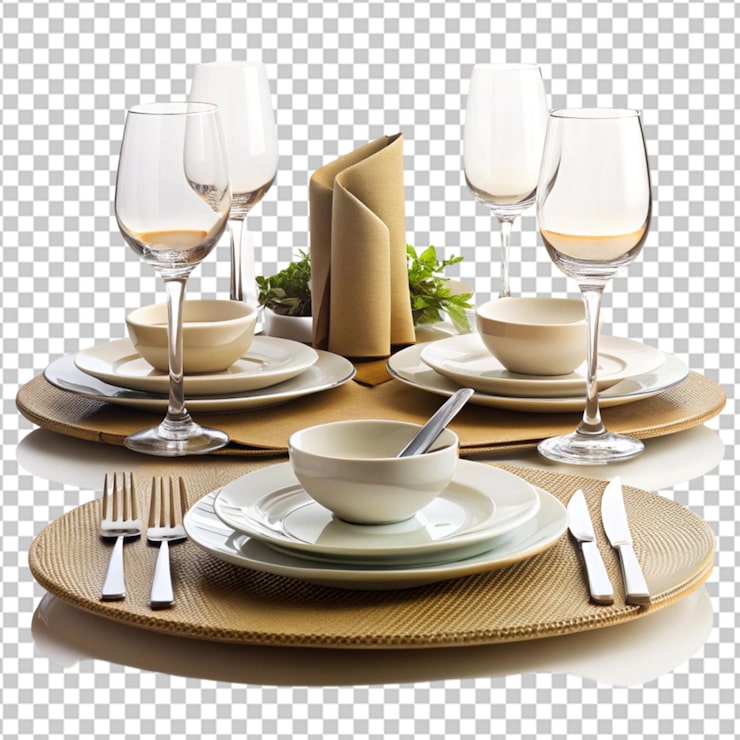
Environmental awareness and health-conscious living have transformed how modern Pakistani households organize their kitchens and dining spaces. Beyond simple aesthetics and durability, growing numbers of families are prioritizing non-toxic materials, lead-free glazes, and eco-friendly production methods when choosing daily tableware. Traditional commercial plastics and poorly manufactured synthetic tableware often release harmful microplastics or chemical compounds when exposed to steaming hot Pakistani gravies, curries, and soups. To protect family health and reduce household environmental impact, conscious consumers across major urban centers are switching to organic ceramic clays, natural bamboo fiber composites, and sustainably mined stoneware collections. However, integrating sustainable dining choices into a modern home requires balancing ecological material purity, thermal resilience, dishwasher compatibility, and overall set durability against household budgets. Families must evaluate whether natural bamboo composites, non-toxic glazed porcelain, or heavy organic stoneware best match their daily meal habits and kitchen routines. When upgrading to a health-conscious kitchen setup, evaluating the current dinner set price in Pakistan empowers homeowners to make informed, eco-friendly tableware investments. The Pakistani retail marketplace offers a growing selection of sustainable dining options, ranging from imported natural plant-fiber dinner sets to locally crafted organic stoneware collections. Assessing material biodegradability, certified non-toxic glaze sealing, and overall structural strength ensures families build a healthy, sustainable dining environment without exceeding financial limits.
A combination of certified lead-free mineral glazes, organic plant fiber binding, energy-efficient high-temperature firing, and sustainable packaging logistics shapes retail pricing across local markets. Recognizing these core price drivers helps health-conscious consumers evaluate sustainable tableware options accurately.
Certified Lead and Cadmium-Free Glazes: Utilizing food-safe, heavy-metal-free mineral glazes protects family health but involves specialized manufacturing processes that raise production costs.
Natural Plant-Fiber Binding Matrix: Combining crushed bamboo powder, rice husks, and natural plant starches creates biodegradable tableware without relying on synthetic plastic binders.
Low-Carbon High-Temperature Kiln Firing: Advanced kiln technologies vitrify natural clay completely using optimized energy cycles, ensuring maximum structural density and zero surface porosity.
Plastic-Free Recyclable Packaging: Eco-conscious manufacturers utilize recycled cardboard and biodegradable protective wraps, which slightly adjusts shipping logistics costs compared to standard bubble wrap.
Understanding these key cost elements enables families to invest in safe, sustainable tableware that supports long-term wellness.
Pakistani eco-conscious retail channels offer diverse tableware choices tailored for daily family meals, modern kitchen aesthetics, and varying household budgets.
Bamboo fiber dinner sets provide a lightweight, completely non-toxic, and biodegradable alternative to traditional synthetic plastics, making them ideal for casual family dining and young children.
Key Highlights: 100% BPA-free, lightweight handling, heat insulation against hot soups, natural matte textures, and complete environmental biodegradability at end-of-life.
Typical Price Expectations: Complete 24-piece to 44-piece natural bamboo fiber dinner collections typically range between PKR 12,500 and PKR 28,500, depending on set size and plant fiber purity.
Heavy organic stoneware crafted from raw mineral clays offers earthy rustic charm, superior thermal mass, and guaranteed chemical-free food safety for daily dawat meals.
Key Highlights: Thick heat-retaining walls, zero chemical leaching under extreme food heat, high scratch resistance against metal cutlery, and distinctive artisanal glazes.
Typical Price Expectations: Sustainable 32-piece to 52-piece organic stoneware sets generally range from PKR 24,500 to PKR 58,000.
Non-porous glazed fine porcelain provides a refined, elegant look for formal dining while guaranteeing an impermeable barrier against oil absorption and bacterial growth.
Key Highlights: Smooth non-reactive surfaces, excellent resistance to acidic foods like tomatoes and citrus, microwave safety, and long-lasting glaze clarity.
Typical Price Expectations: Complete 61-piece to 75-piece non-toxic vitrified porcelain collections range from PKR 34,500 to PKR 85,000.
Tempered opal glass made from purified natural silica offers an ultra-hygienic, lightweight, and fully recyclable option for everyday family meals.
Key Highlights: Zero surface porosity, extreme resistance to thermal shock, high chip durability, and 100% recyclable material composition.
Typical Price Expectations: Versatile 40-piece to 72-piece tempered opal glass sets range between PKR 18,500 and PKR 38,500.
Selecting sustainable dinnerware requires balancing health safety standards, environmental impact, and daily practical usability.
Verify Certified Food-Grade Safety Labels: Look for explicit product certifications confirming lead-free, cadmium-free, and BPA-free status before purchasing natural ceramic or composite sets.
Assess Heat Resistance for Local Cuisines: Ensure natural bamboo composite sets are rated for hot liquid temperatures to prevent warping when serving hot curries or soups.
Choose Neutral Organic Color Palettes: Select natural earth tones, soft sage greens, or warm unbleached ivory finishes that showcase vibrant food colors naturally.
Inspect Glaze Integrity for Oil Resistance: Choose non-porous vitrified glazes that prevent deep oil penetration, ensuring easy cleaning with mild eco-friendly soaps.
Following these practical buying guidelines helps families build a healthy, sustainable dining setup that protects family wellness and supports environmental stewardship.
Implementing gentle, eco-friendly cleaning routines preserves the natural surfaces, smooth glazes, and structural strength of green tableware over time.
Wash natural bamboo fiber plates using mild plant-based liquid soaps and soft sponges, avoiding harsh steel wool scrubbers that can abrade natural organic surface coatings. Allow natural plant-based tableware to dry thoroughly in well-ventilated dish racks before stacking to prevent moisture buildup in humid kitchen cabinets. Avoid exposing organic stoneware directly to open flames or extreme broiling temperatures to prevent thermal stress fractures. Mindful care keeps your eco-friendly tableware looking pristine while supporting a healthy, chemical-free home.
Creating a health-conscious, eco-friendly home begins with an evidence-based commitment to non-toxic materials, sustainable sourcing, and safe daily kitchen tools. Moving away from low-quality synthetic plastics and investing in certified lead-free ceramics, natural bamboo composites, or non-porous glass is the most reliable way to protect family health. Staying informed about the dinner set price in Pakistan enables homeowners and health-conscious families to make confident, value-driven purchasing decisions. By matching material purity, non-toxic safety, and daily durability to your household needs, you secure a sustainable tableware collection that nourishes your family safely for years to come.

This post has been authored and published by one of our premium contributors, who are experts in their fields. They bring high-quality, well-researched content that adds significant value to our platform.










Your trusted source for technology news, AI updates, business insights, startup stories, cybersecurity, gadgets, and digital innovation.